Why Mercha (About Us)
 Our Selection Criteria
 Sustainability Statement
 Our Blog
 Verified Reviews
 Our Most Popular Collections
 New Arrivals
 Clothing
 Accessories
 Gear
Gear
 Workwear & HI-Vis
 Custom Merch Packs
 C Suite Executive Merch
 Rush Products
 Eco Friendly Range







How to Choose Sustainable Materials for High-Quality Branded Merch
Why Materials for Sustainable Merchandise Matter More Than Ever

Materials for sustainable merchandise are the foundation of any credible eco-friendly brand strategy. If you want a quick answer, here are the top options to know:
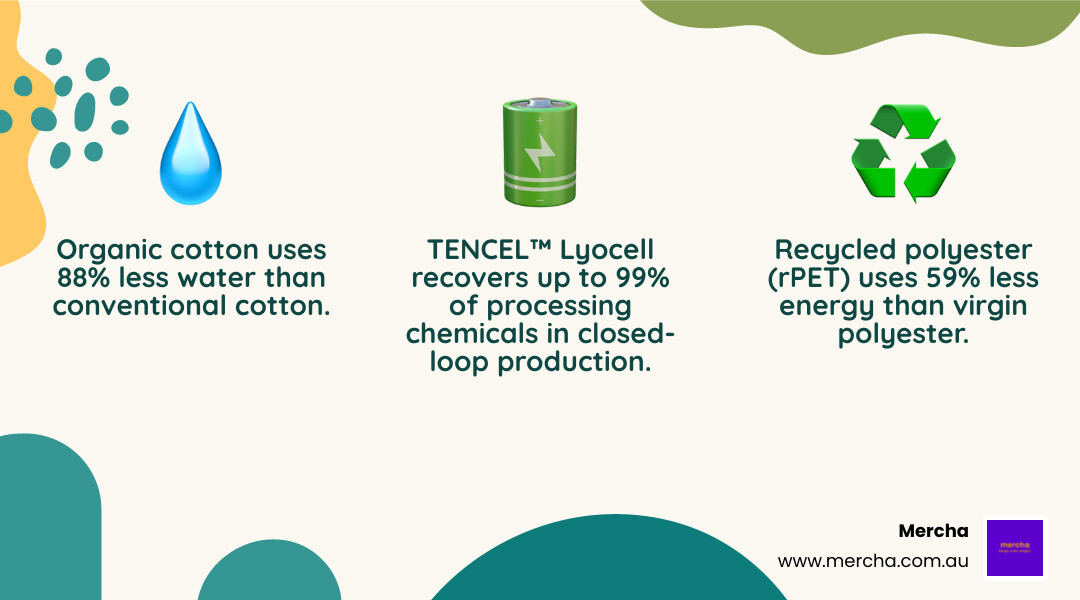
- Organic cotton -- uses 88% less water and 62% less energy than conventional cotton
- Recycled polyester (rPET) -- uses 59% less energy than virgin polyester; each t-shirt diverts roughly 9 plastic bottles from landfill
- TENCEL™ Lyocell -- closed-loop production recovers up to 99% of processing chemicals
- Hemp -- grows 300% faster than cotton with no irrigation or pesticides required
- Bamboo -- rapidly renewable, antibacterial, and biodegradable
- Innovative materials (Piñatex, Bananatex®, NILPLA®) -- next-generation options derived from agricultural waste and bio-based sources
The pressure on businesses to make smarter material choices has never been greater. Consumers are paying attention: 76% say they are willing to pay more for sustainably produced products. And with fast fashion responsible for an estimated 10% of global CO2 emissions, the stakes are real.
The challenge is that "eco-friendly" is one of the most overused and least verified claims in the industry. Without understanding what actually makes a material sustainable -- think renewable sourcing, reduced water and energy use, carbon footprint, recyclability, and end-of-life biodegradability -- it is easy to fall for greenwashing and end up with merchandise that does more harm than good.
This guide cuts through the noise. Whether you are sourcing tote bags, apparel, drinkware, or tech accessories for your brand, knowing your materials is the single most important step toward merchandise that genuinely reflects your values.
I'm Ben Read, co-founder and CEO of Mercha.com.au, where I've built an eco-conscious B2B merchandise platform helping Australian businesses source high-quality, ethical branded products. My work sits at the intersection of sustainable e-commerce and materials for sustainable merchandise, giving me a practical, ground-level view of what works and what is simply marketing spin.
Choosing the right materials for sustainable merchandise
Selecting the right materials for sustainable merchandise is about more than just picking a "green" label. It involves looking at the entire lifecycle of a product. A truly sustainable material should ideally be derived from renewable resources, involve low-impact manufacturing, and offer a clear path for end-of-life disposal, such as being recyclable or biodegradable.
When we talk about environmental impact, we are looking at specific metrics. For instance, recycled polyester (rPET) production requires far fewer resources and energy compared to virgin polyester. In fact, rPET uses 59% less energy than its fossil-fuel-based counterpart. By choosing recycled options, businesses help divert plastic from landfills and oceans, turning waste into high-quality fabric.

Beyond the planet-saving stats, there is a strong business case for these materials. Quality sustainable materials often outlast conventional promotional apparel by 40-60%. This means your brand stays in the hands of your customers for longer, providing a much better cost-per-wear and cost-per-impression.
When you choose eco friendly bags or apparel made from premium sustainable fibres, you are not just checking a corporate social responsibility box. You are providing a product that people actually want to keep and use, which is the ultimate goal of any branding exercise.
Organic Cotton and Hemp
Natural fibres are often the first choice for businesses looking to go green. Organic cotton is a standout because it eliminates the use of synthetic pesticides and fertilizers, which significantly improves soil health. Compared to conventional cotton, organic cotton uses 88% less water and 62% less energy. This results in a 46% lower carbon footprint per garment.
Hemp is another powerhouse in materials for sustainable merchandise. It is a carbon-negative crop that grows 300% faster than cotton and requires no irrigation. It also naturally improves the soil it grows in. While hemp can have a coarser texture initially, it becomes softer with every wash and is incredibly durable -- up to three times stronger than cotton.
Key benefits of natural sustainable fibres:
- Biodegradability: They return to the earth naturally at the end of their life.
- Breathability: High comfort levels for apparel and wearable merch.
- Soil Health: Organic farming practices support local ecosystems.
For those looking to design their own range, you can find more info about custom organic cotton apparel to see how these seeds turn into high-quality shirts.
Recycled Synthetics like rPET
While natural fibres are great, sometimes you need the performance properties of synthetics, such as moisture-wicking for activewear or durability for heavy-duty bags. This is where recycled synthetics like rPET (recycled polyethylene terephthalate) and Econyl come in.
rPET is made from post-consumer plastic bottles that are sorted, cleaned, and broken down into small flakes before being spun into yarn. This process prevents approximately 9 plastic bottles from entering waste streams for every single t-shirt made. Econyl takes it a step further by using industrial plastic, waste fabric, and even abandoned fishing nets from the ocean to create high-quality nylon.

Recycled synthetics offer:
- Waste Diversion: Turning trash into treasure.
- Performance: Crease-resistant, quick-drying, and durable.
- Lower Energy: Significant energy savings compared to virgin plastic production.
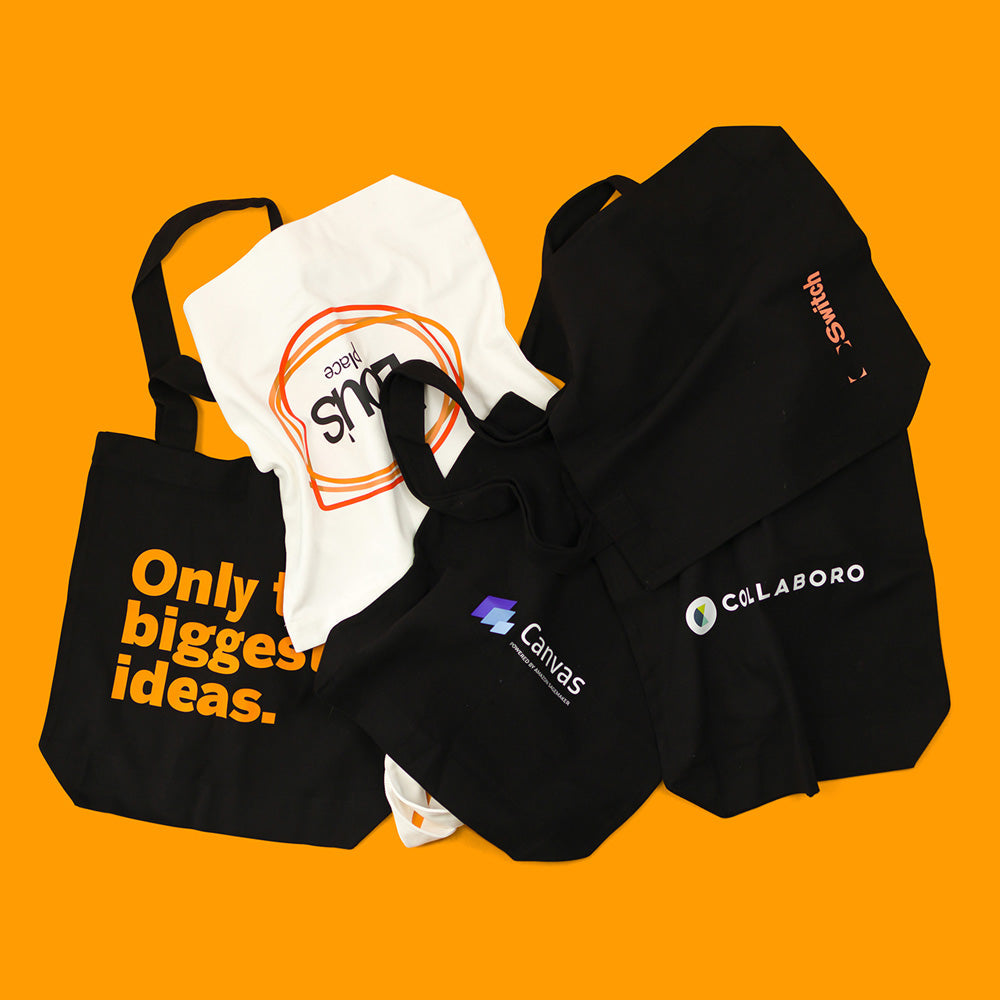
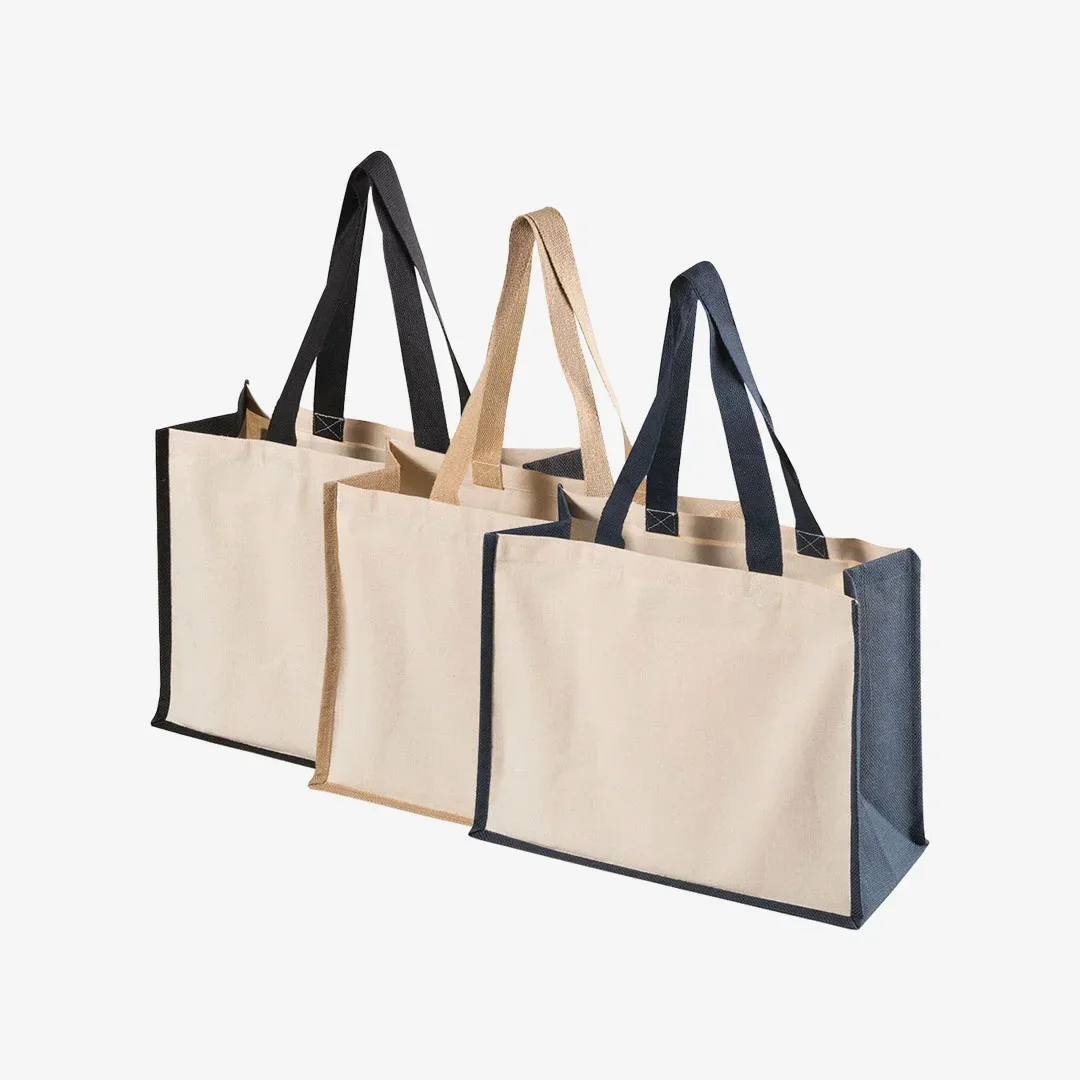
Using these materials for recycled tote bags is a fantastic way to show your brand's commitment to a circular economy.
TENCEL™ Lyocell and Bamboo
For those looking for a more "futuristic" or premium feel, TENCEL™ Lyocell is the gold standard. It is a lightweight fabric derived from cellulose fibres that come from dissolving wood pulp. What makes Lenzing's Tencel so impressive is its closed-loop production process, which recovers and reuses up to 99% of the processing chemicals and solvents.
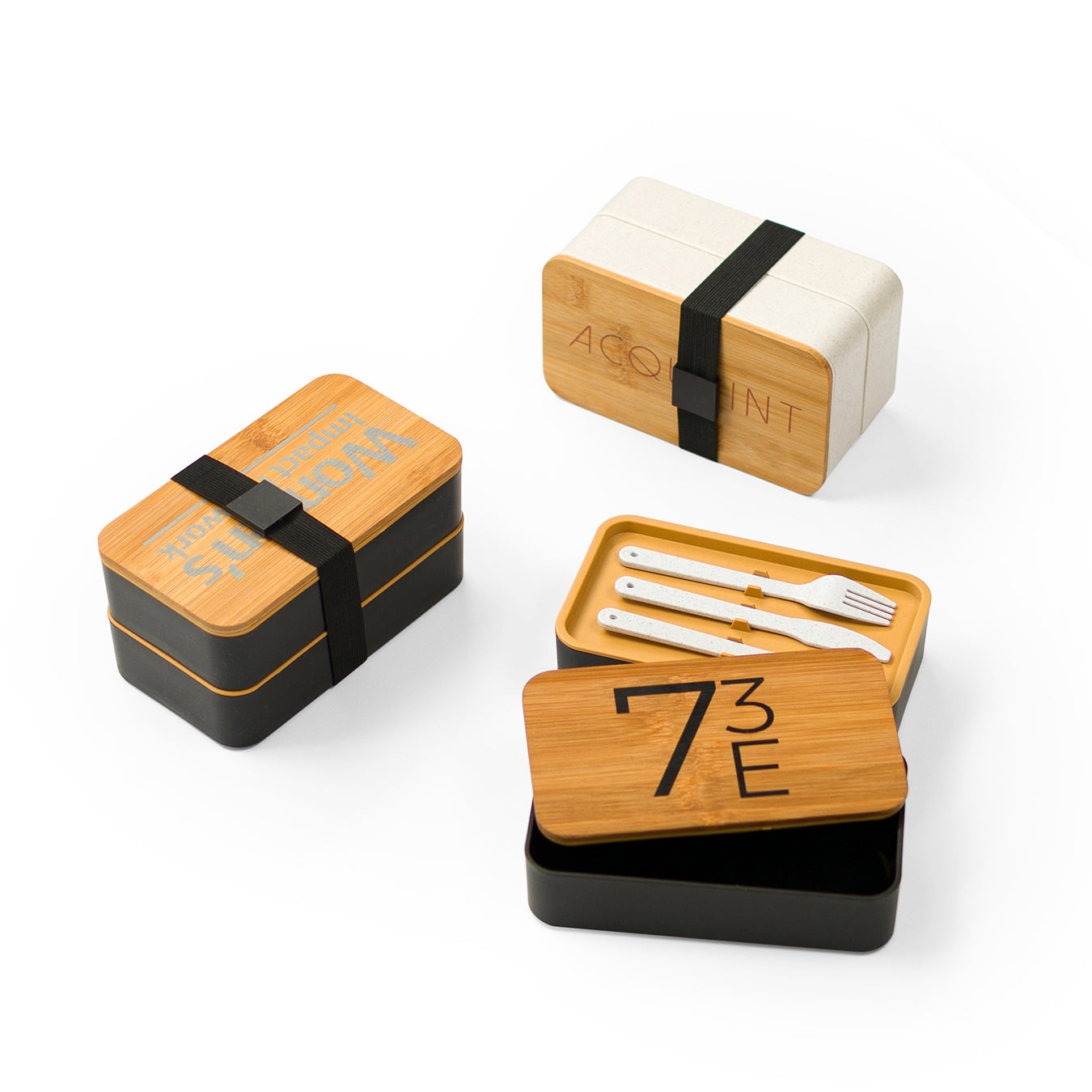
Bamboo is equally popular, especially in the Australian market. It is a rapidly renewable resource that can grow almost a metre in a single day without the need for pesticides or heavy irrigation. Bamboo fabric is naturally antibacterial (thanks to a bio-agent called "bamboo kun"), hypoallergenic, and highly absorbent.
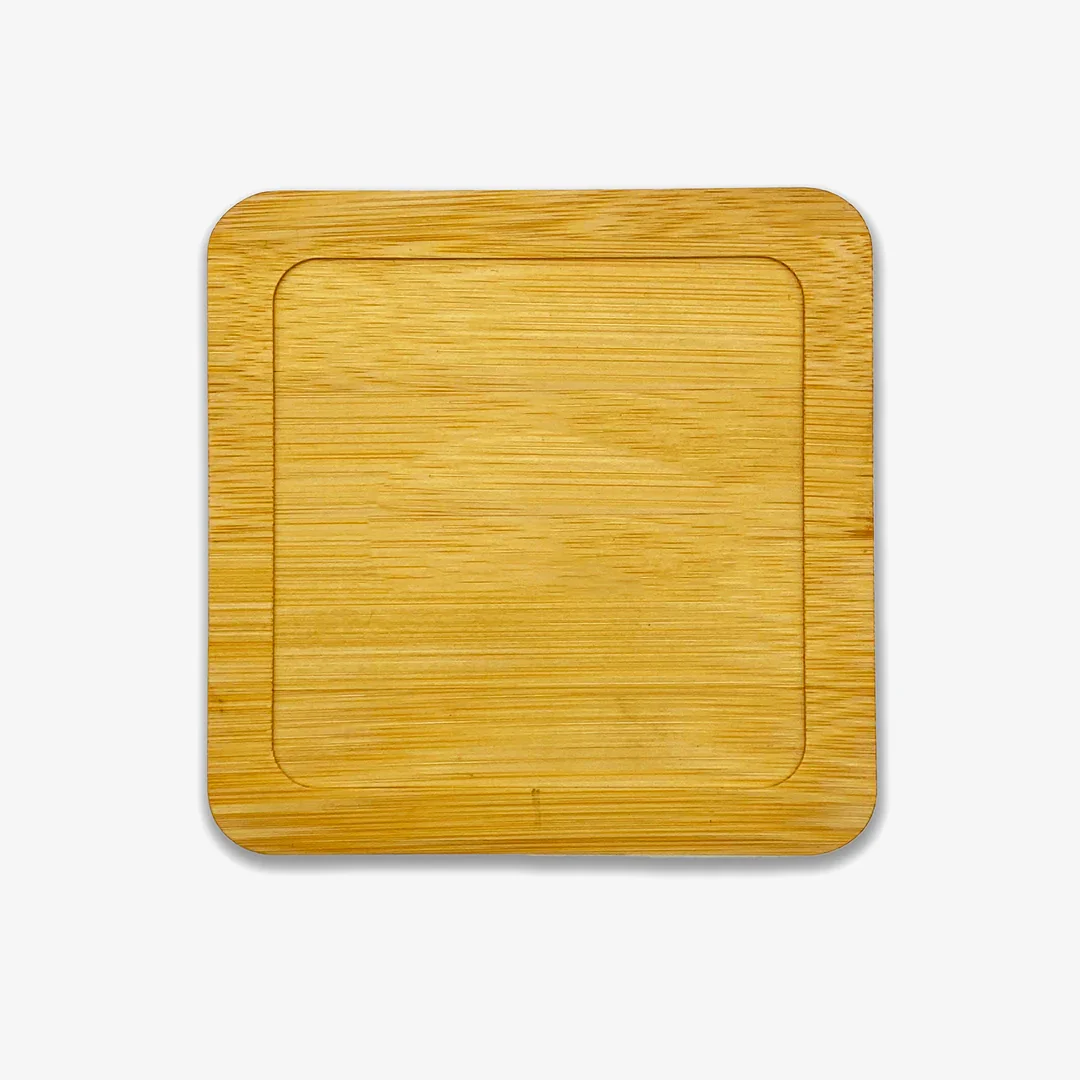
When selecting bamboo, it is important to check the processing method. Most commercial bamboo is processed as viscose, so looking for FSC (Forest Stewardship Council) certification ensures the raw material was sourced from responsibly managed forests. You can explore more info about bamboo promotional items to see the variety of products available, from tech stands to apparel.
Innovative materials for sustainable merchandise
The world of materials for sustainable merchandise is constantly evolving with high-tech, bio-based innovations. These materials often use agricultural byproducts to create leather-like or textile alternatives that have a minimal environmental footprint.
- Piñatex: A vegan leather alternative made from pineapple leaf fibres, which are a byproduct of the fruit harvest.
- Bananatex®: The world’s first technical fabric made purely from Abacá banana plants. It is fully circular, plastic-free, and biodegradable in both industrial compost and marine environments.
- NILPLA®: A 100% bio-based material derived from corn. It achieves a 59% lower carbon footprint and 98% less water consumption than conventional polyester.
- Spinnova: A novel fibre produced from wood pulp or waste (like leather or agricultural waste) without using any harmful dissolving chemicals.
These materials represent the future of sustainable branding. While they can currently carry a higher price tag due to limited scalability, they offer a massive "first-mover" advantage for brands that want to be seen as leaders in innovation. Check out more info about eco friendly accessories to see how these materials are being integrated into modern tech gear.
Verifying materials for sustainable merchandise with certifications
With so many "green" claims flying around, how do you know what is actually true? Certifications are your best weapon against greenwashing. They provide third-party verification that a product meets specific environmental or social standards.
- GOTS (Global Organic Textile Standard): The gold standard for organic fibres, covering everything from harvesting to manufacturing and labelling.
- OEKO-TEX Standard 100: Ensures that the finished fabric is free from harmful chemicals and is safe for human use.
- FSC (Forest Stewardship Council): Verifies that wood-based materials (like those used for Tencel or Bamboo) come from responsibly managed forests.
- GRS (Global Recycled Standard): Tracks and verifies the recycled content in products like rPET.
When sourcing, always ask for certificate numbers. Authentic suppliers will be happy to provide them. For more tips on navigating these standards, read more info about ethical branded merchandise.
Branded Merch Made Easy
Building a sustainable brand shouldn't be a headache. At Mercha, we've simplified the process so you can focus on your business while we handle the eco-friendly details. Our "easy as" online platform allows you to customise high-quality materials for sustainable merchandise in just a few clicks.
We pride ourselves on our 99.9% ON time delivery record, serving world-class brands like Woolworths and TikTok with fast turnaround times and premium quality. Whether you are in Sydney or Adelaide, we provide local expertise to ensure your branded gear makes the right impact.
Shop the highest quality merch for your business with just a click of a button!