Why Mercha (About Us)
 Our Selection Criteria
 Sustainability Statement
 Our Blog
 Verified Reviews
 Our Most Popular Collections
 New Arrivals
 Clothing
 Accessories
 Gear
Gear
 Workwear & HI-Vis
 Custom Merch Packs
 C Suite Executive Merch
 Rush Products
 Eco Friendly Range



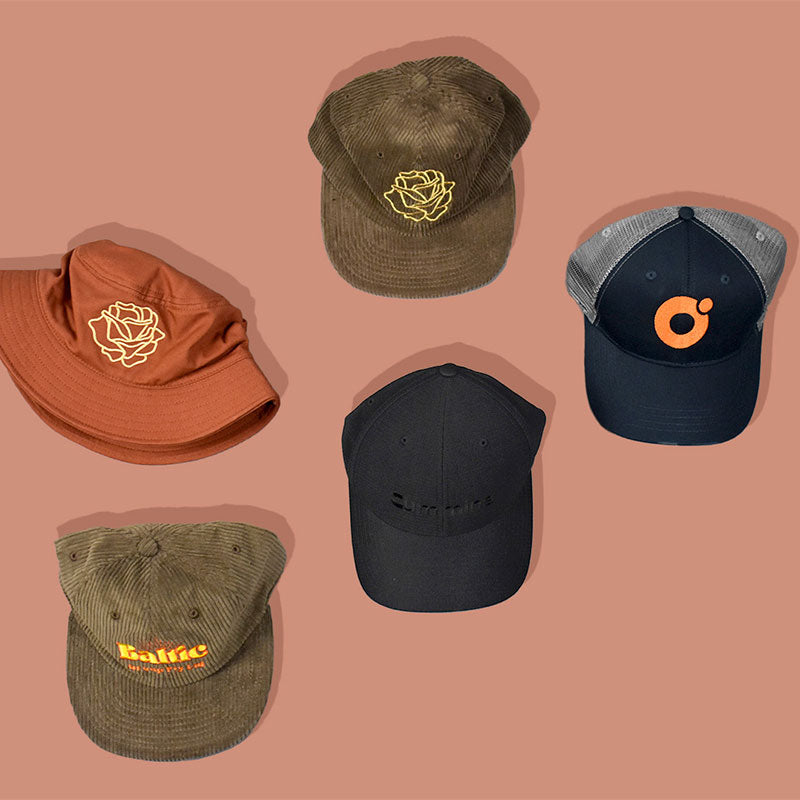
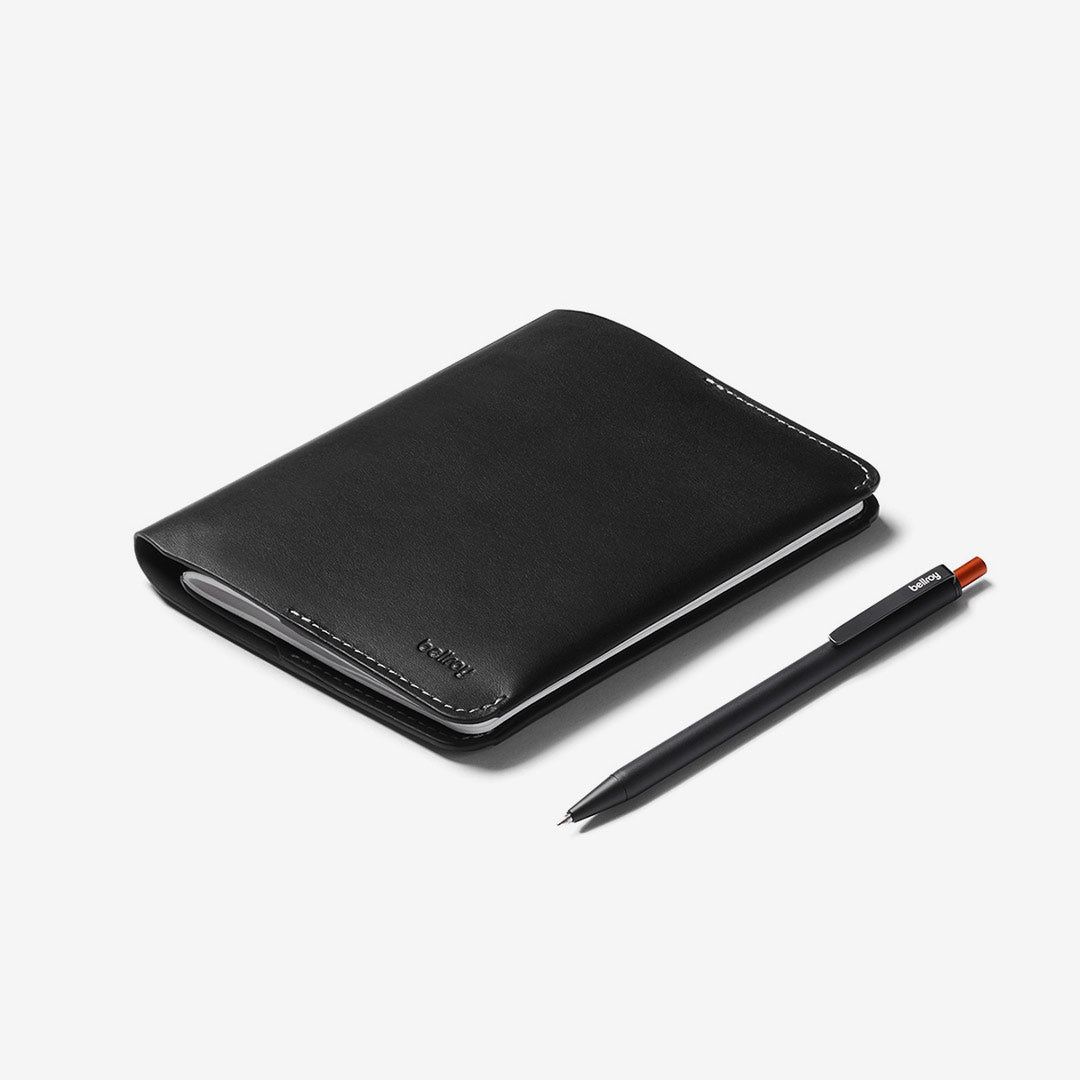
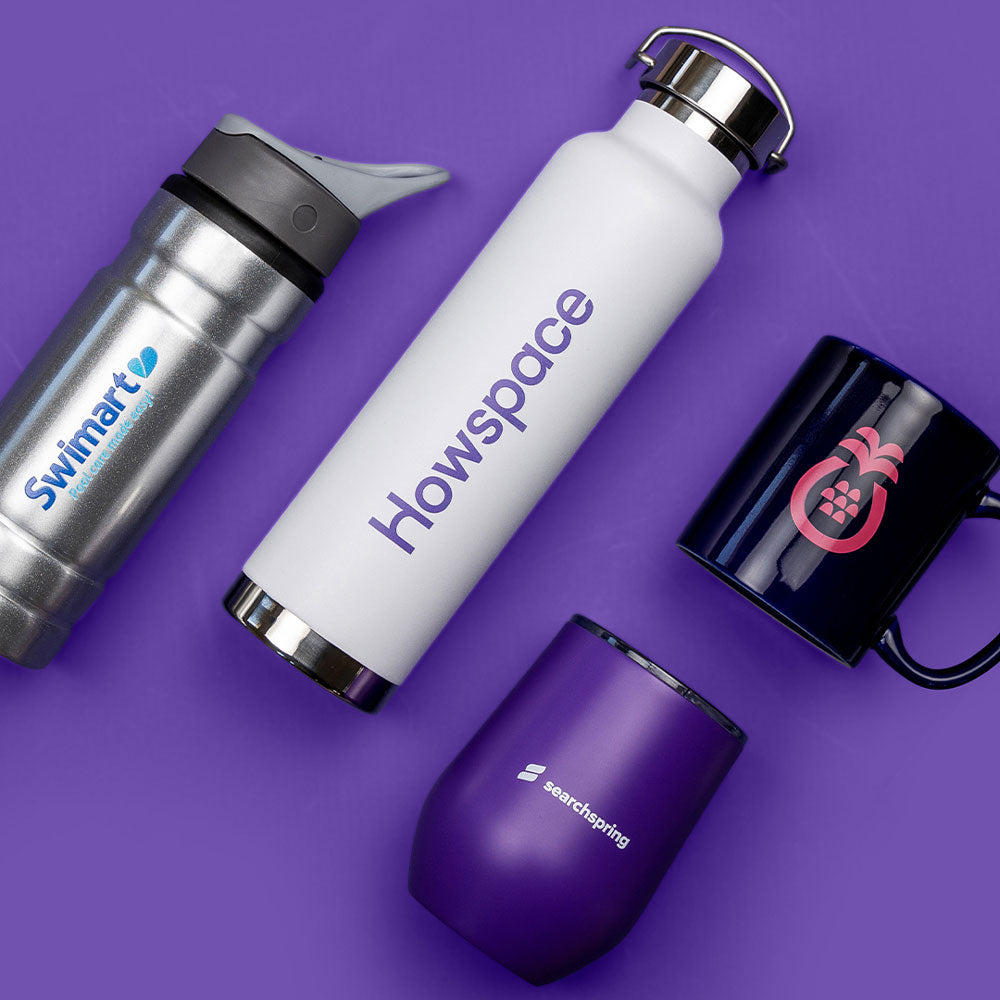
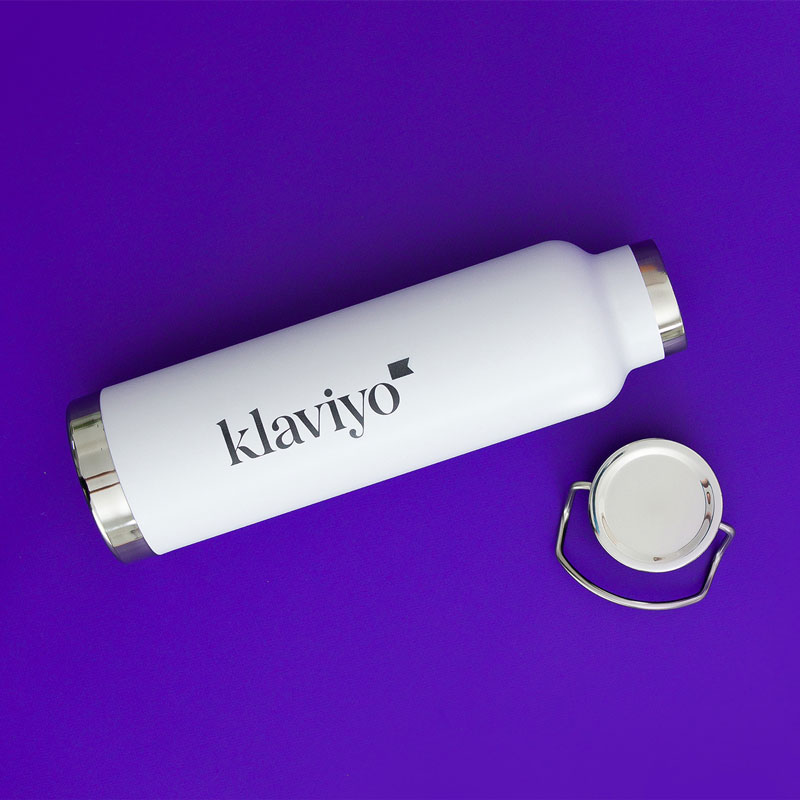

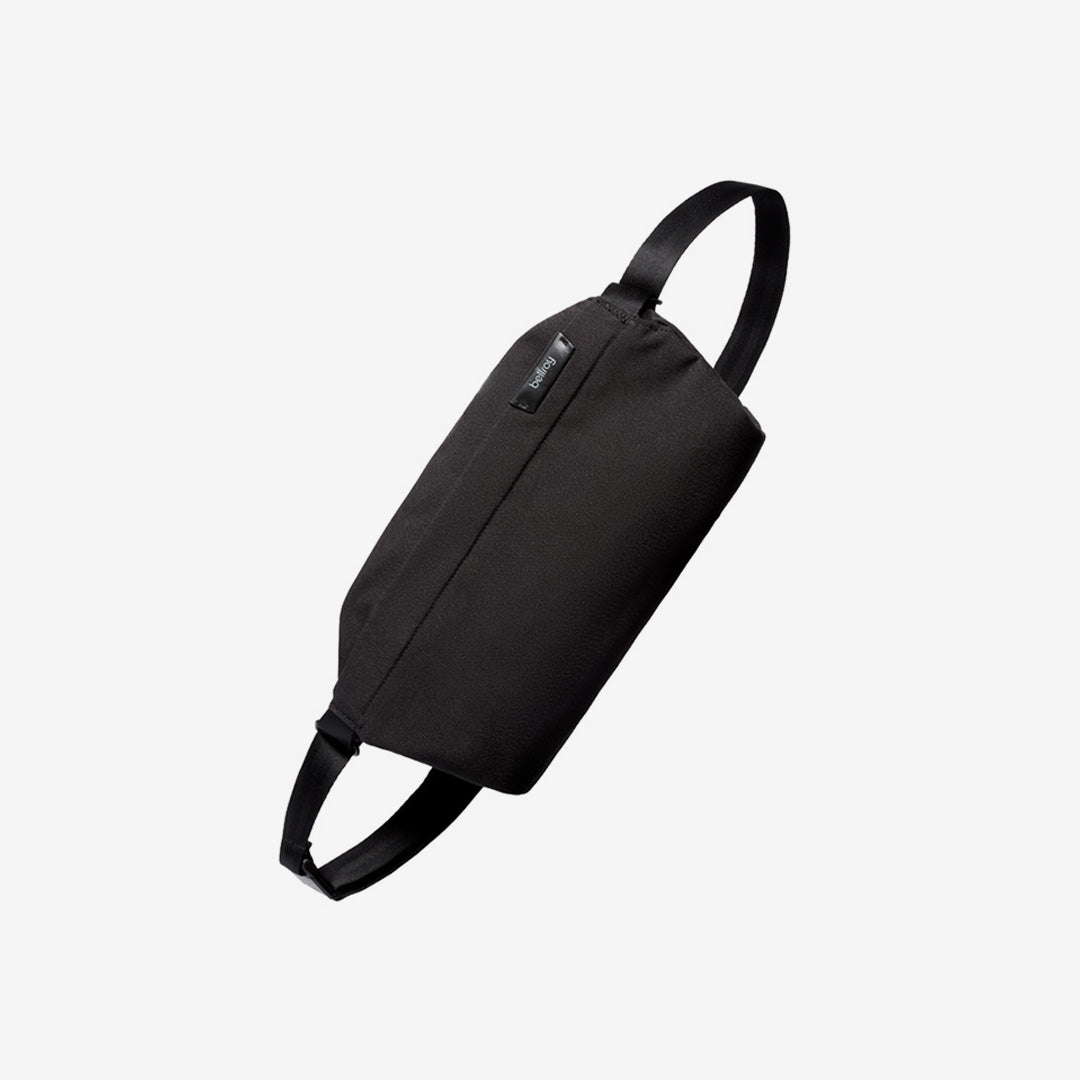
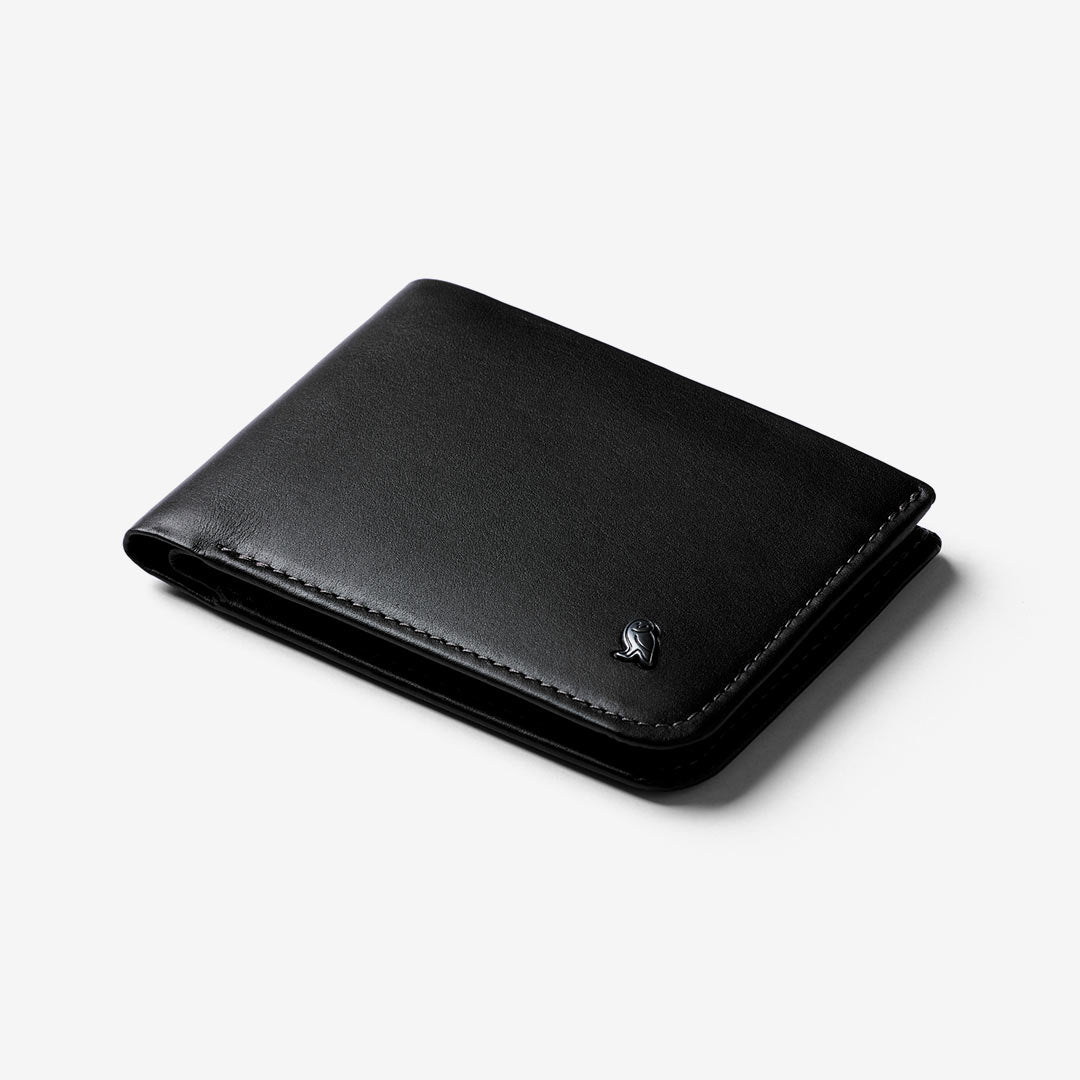
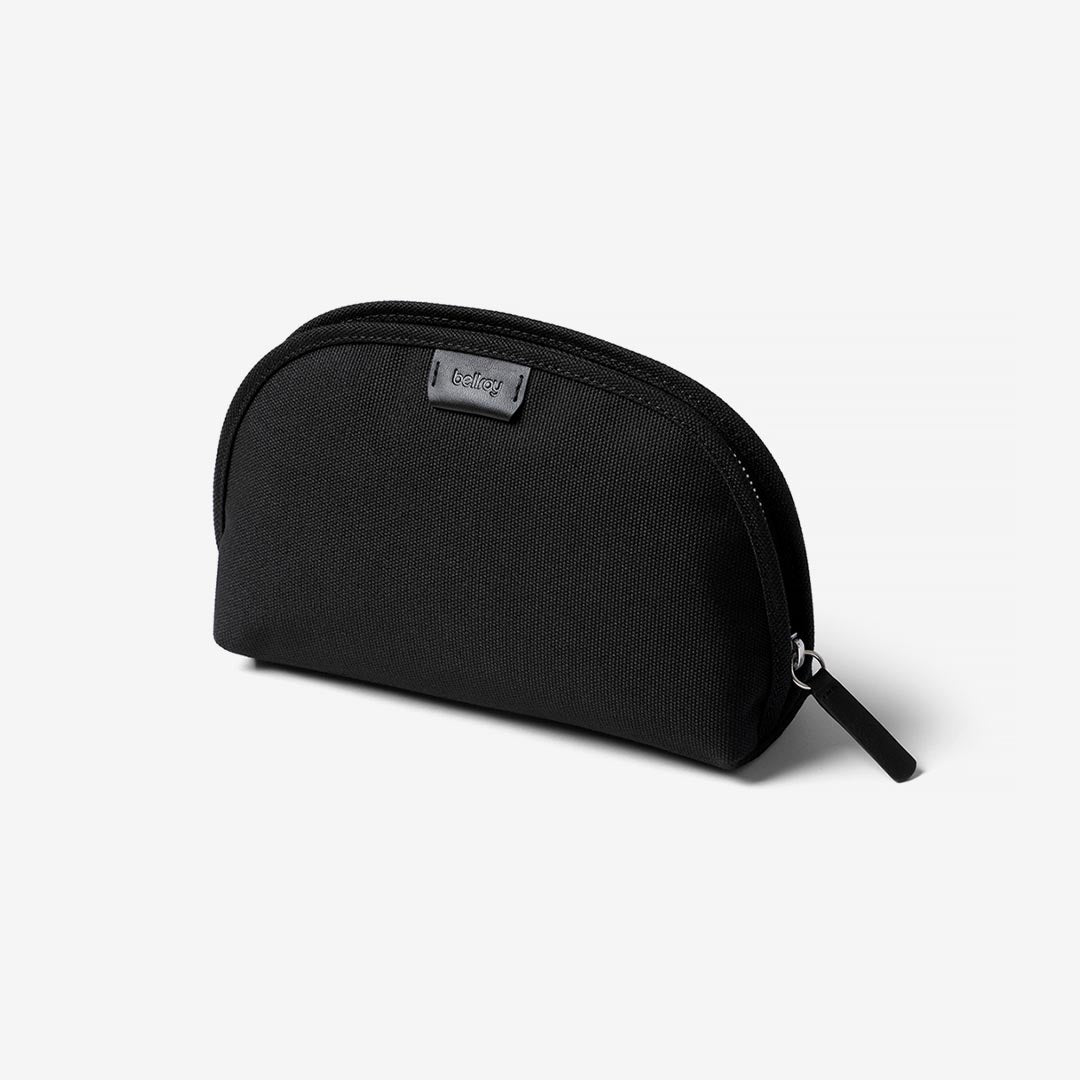
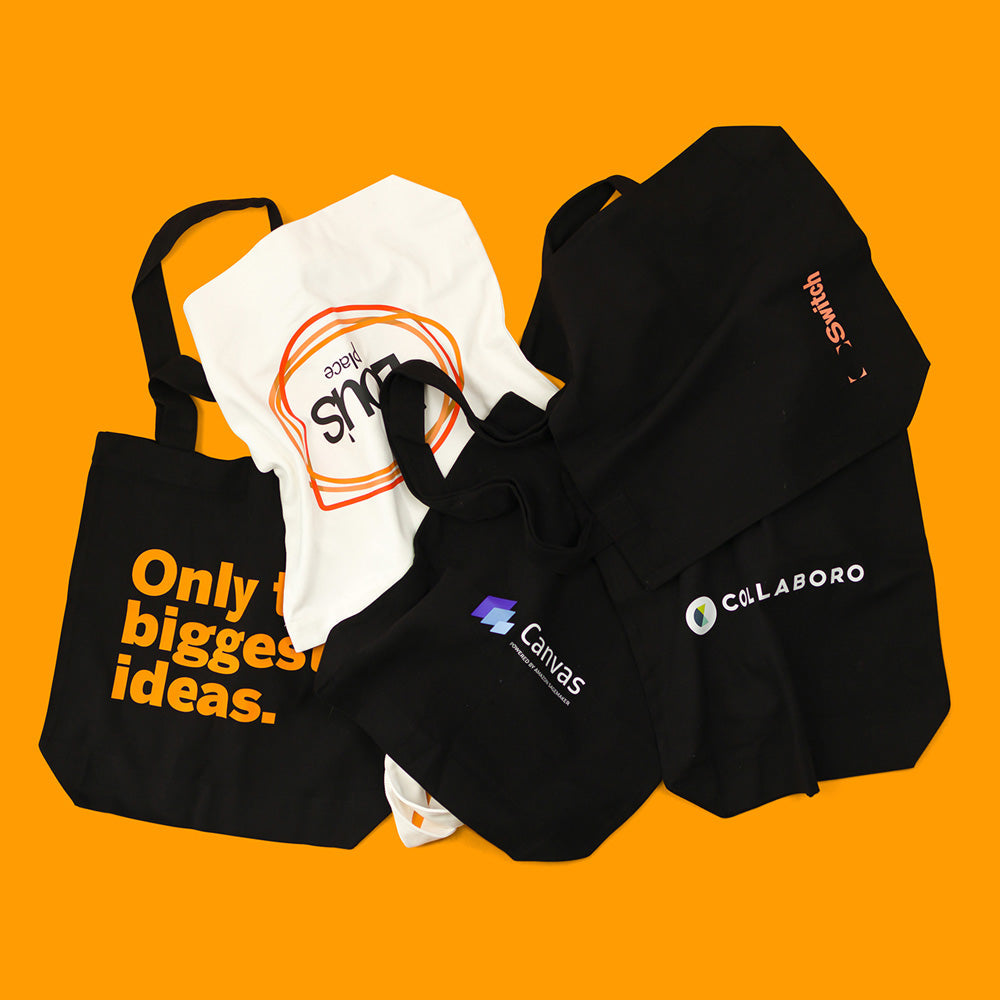





The Sustainable Swag Lowdown: Everything You Need to Know
Why Sustainable Merchandise is Reshaping the Promotional Products Industry

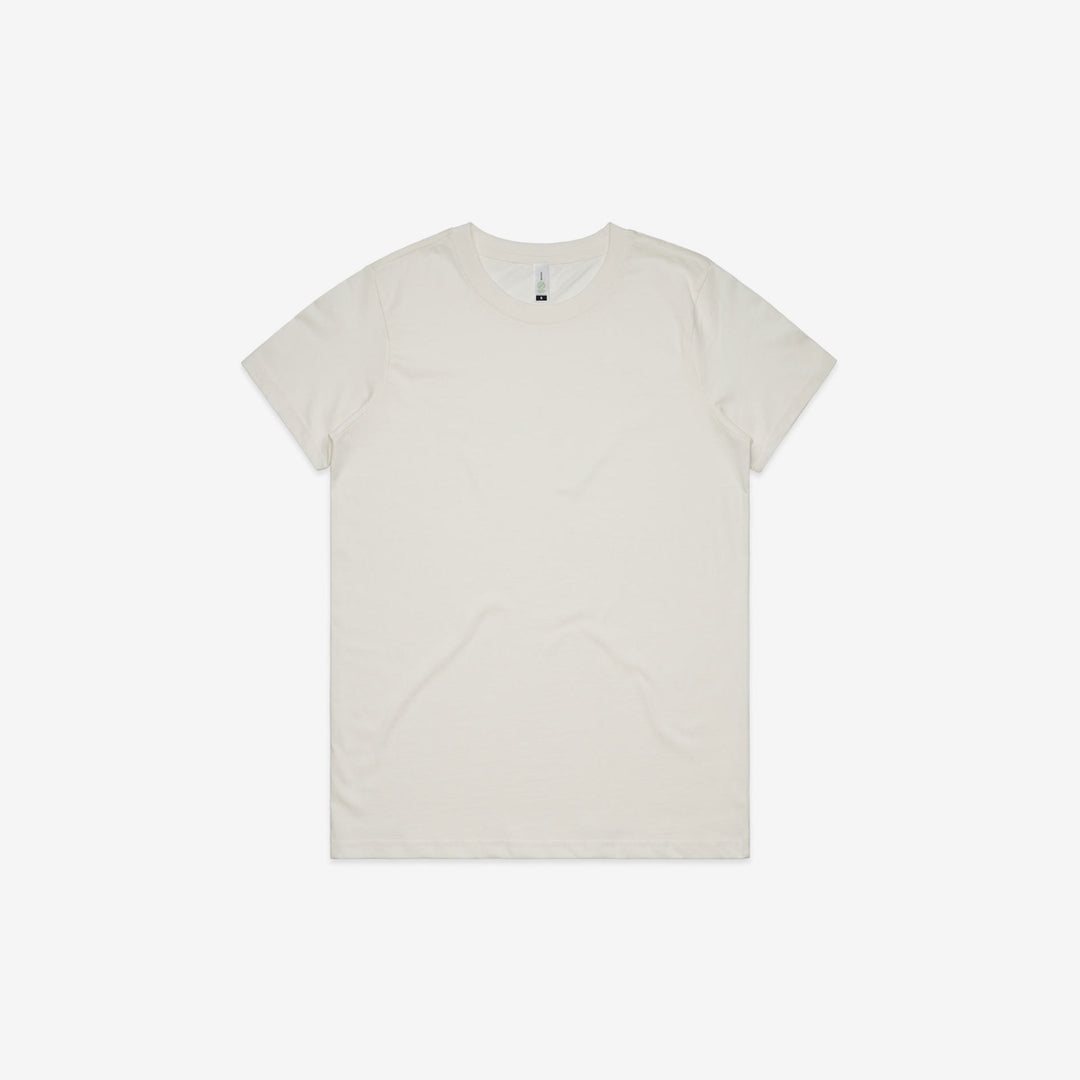
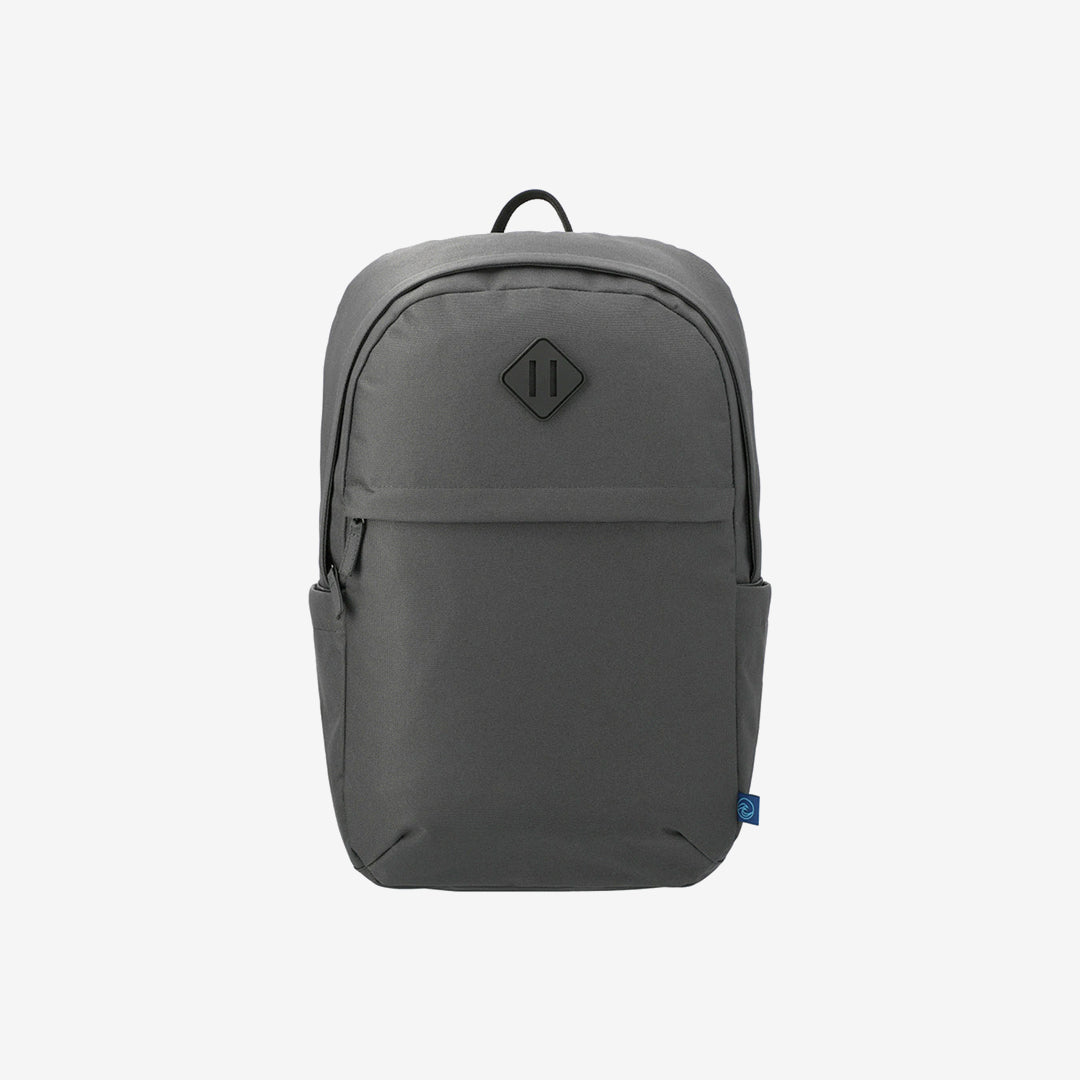
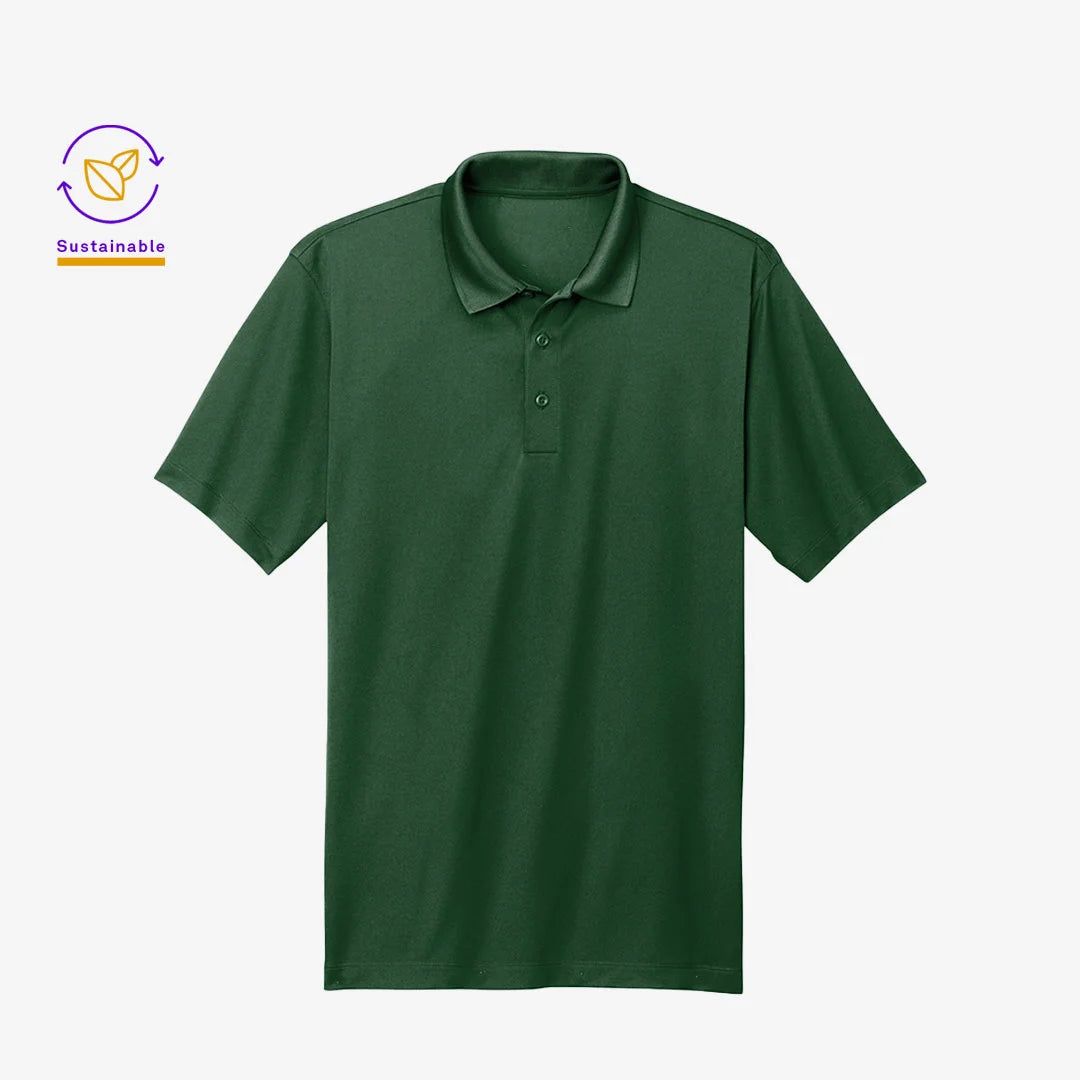
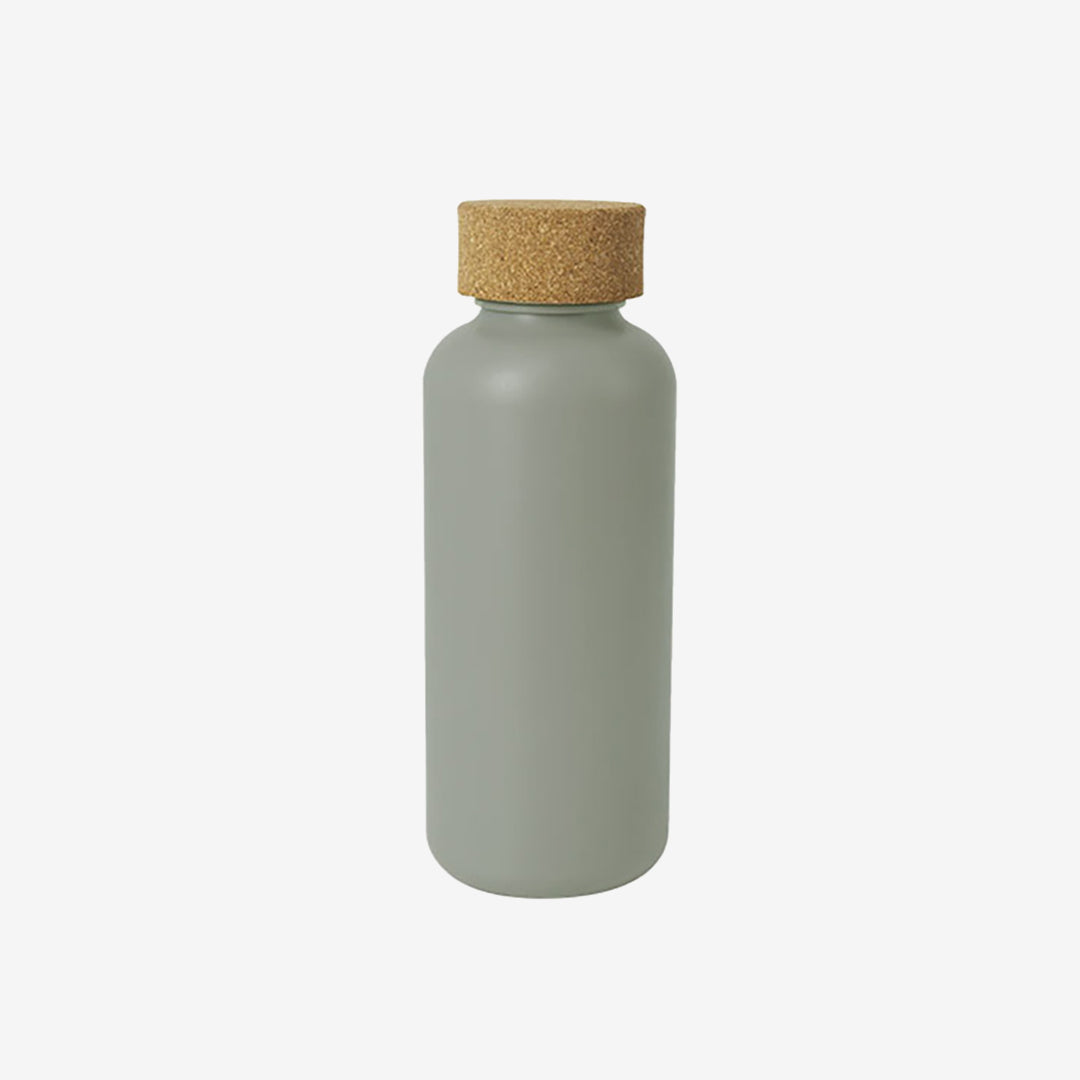
What is sustainable merchandise? It is branded promotional products made from eco-friendly materials like organic cotton, bamboo, or recycled plastics. These items are produced through ethical manufacturing processes that prioritise fair labour and minimal environmental impact. Unlike traditional merchandise that often ends up in landfills, sustainable swag is designed for longevity, reusability, and responsible end-of-life disposal.
In 2024, this approach is no longer optional. With 90 percent of global consumers wanting companies to care about social and environmental issues, sustainable merchandise has become a non-negotiable for brands that want to connect with modern audiences. The numbers speak for themselves: 46% of buyers have a more favourable opinion of a brand if they receive sustainable swag, and 60% of consumers would pay more for a product with sustainable packaging.
But what does "sustainable" actually mean when it comes to swag? It is a commitment to creating products that are better for the planet and the people on it. This approach challenges the traditional promotional products industry, valued at over USD 26 billion, which often relies on single-use plastics and resource-intensive production. The result is often items that end up in landfills after limited use.
Sustainable merchandise flips this model on its head. It considers the entire product lifecycle, from sourcing and packaging to the product's longevity and eventual disposal. The beauty of this approach is that it aligns your brand values with real action. When you choose eco-friendly promotional products, you are not just reducing your environmental footprint. You are also building trust with customers who increasingly expect companies to demonstrate genuine corporate social responsibility. This guide breaks down everything you need to know about choosing sustainable merchandise that reflects your brand's values and makes a lasting positive impression.
At Mercha, we have built our business around making it easy for Australian companies to source high-quality, eco-conscious promotional products that people actually want to use. We help you find the right items that fit your brief, align with your values, and make your brand stand out for all the right reasons.
The Core Principles of Sustainable Merchandising

Sustainable merchandise is defined by its minimal negative impact on the environment and society. It is not just about the final product but the entire journey. The core principles guide every decision, from sourcing materials to considering a product's end-of-life. This approach helps support a circular economy, where resources are kept in use for as long as possible, extracting the maximum value from them while in use, then recovering and regenerating products and materials at the end of each service life.
These principles include:
- Ethical Sourcing: Ensuring raw materials are obtained responsibly, without exploiting natural resources or human labour.
- Responsible Manufacturing: Employing manufacturing processes that minimise environmental impact, reduce waste, and uphold fair labour standards.
- Longevity and Reusability: Creating products designed to last, encouraging repeated use, and thus reducing the need for constant replacement.
- Minimal & Eco-Friendly Packaging: Utilising packaging that is necessary, made from recycled or biodegradable materials, and easily recyclable.
- Supporting a Circular Economy: Designing products that can be repurposed, recycled, or safely returned to the environment at the end of their useful life.
How to Spot Genuine Sustainability and Avoid Greenwashing

As sustainability becomes more popular, so does "greenwashing", the practice of making misleading claims about a product's environmental benefits. To ensure your merchandise is genuinely sustainable, it is crucial to look beyond marketing buzzwords and ask for transparency from your suppliers about their materials and production processes.
Be wary of vague terms like "eco-friendly" or "green" without specific proof. The most reliable way to verify claims is to look for independent, third-party certifications. At Mercha, we make this easy by vetting all our suppliers and ensuring that if a product is listed as sustainable on our site, it genuinely is.
What certifications should businesses look for?
When sourcing sustainable merchandise, look for these globally recognised standards:
- GOTS (Global Organic Textile Standard): The leading standard for organic fibres, ensuring environmental and social criteria are met throughout the entire textile supply chain.
- Fair Trade Certification: Guarantees that products were produced ethically, with fair prices and decent working conditions for farmers and workers in developing countries.
- FSC (Forest Stewardship Council): Certifies that wood and paper products come from responsibly managed forests that provide environmental, social, and economic benefits.
- OEKO-TEX: A label for textiles tested for harmful substances, ensuring they are safe for human health.
- Recycled Claim Standard (RCS) and Global Recycled Standard (GRS): These standards verify the recycled content in products and track it from the source to the final product.
What Role Do Materials, Packaging, and the Product Lifecycle Play?
The choice of materials, the design of packaging, and a deep understanding of the product lifecycle are foundational to sustainable merchandising. A truly sustainable product considers all these stages, striving to minimise harm at each step and ideally contributing to a circular economy where materials can be reused or recycled.
Materials
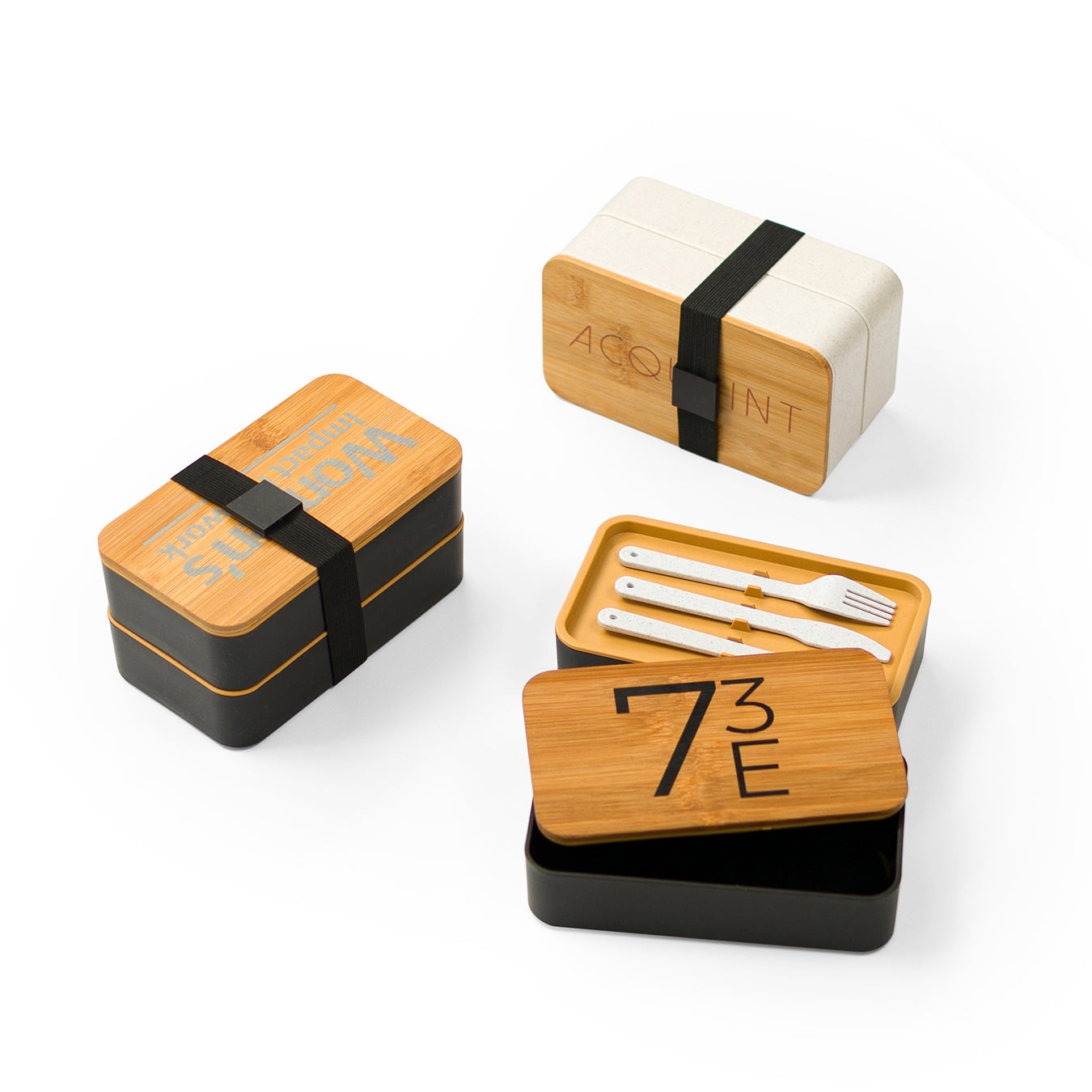
This is the starting point. Opting for organic cotton, recycled polyester, bamboo, or wheat straw plastic significantly reduces environmental impact compared to virgin synthetics or resource-intensive options. For instance, organic cotton minimises water usage and pesticide exposure, while recycled plastics give new life to existing waste.
Packaging
Mindful packaging means using only necessary, biodegradable, or compostable materials, or materials made from recycled content. At Mercha, we aim for minimal packaging that protects your product without creating unnecessary waste.
Product Lifecycle
This encompasses everything from raw material extraction, manufacturing, distribution, use, and eventual disposal. This comprehensive approach ensures that merchandise is not just "less bad" but actively "more good" for the planet.
How Does Sustainable Merchandise Impact Your Brand and Business?

The impact of sustainable merchandise on consumer behaviour and brand perception is profound. When your brand offers sustainable merchandise, you immediately align with modern values, fostering a deeper connection with your audience across customers, employees, and partners.
- Customer Loyalty: Consumers are actively seeking out brands that demonstrate corporate social responsibility. An ASI study found that 42% of consumers have a more favourable opinion of an advertiser if the promotional product they received was environmentally friendly. This translates into increased customer loyalty, positive word-of-mouth, and a stronger brand image.
- Employee Engagement: Sustainable swag sends a powerful message to your team that the organisation cares about its people and the planet. According to research by Cone Communications, 64% of millennials consider a company’s social and environmental commitments when deciding where to work. Quality, sustainable merch can boost morale and help attract and retain talent.
- Brand Reputation: Sustainable merchandise acts as a tangible statement of your brand's commitment, differentiating you in a crowded market. It shows you are not just about profit, but about purpose, which attracts a growing segment of eco-conscious consumers in Sydney, Adelaide, and across Australia.
How Can Companies Integrate Sustainable Merchandise into Their Strategies?
Integrating sustainable merchandise into your overall marketing and corporate social responsibility (CSR) strategies does not have to be complicated. At Mercha, our "easy as" process is designed to simplify this transition for your business.
Here is how we recommend you approach it:
- Define Your Goals: Clearly identify why you want to use sustainable merchandise. Is it to improve brand reputation, attract eco-conscious talent, or reduce your environmental footprint?
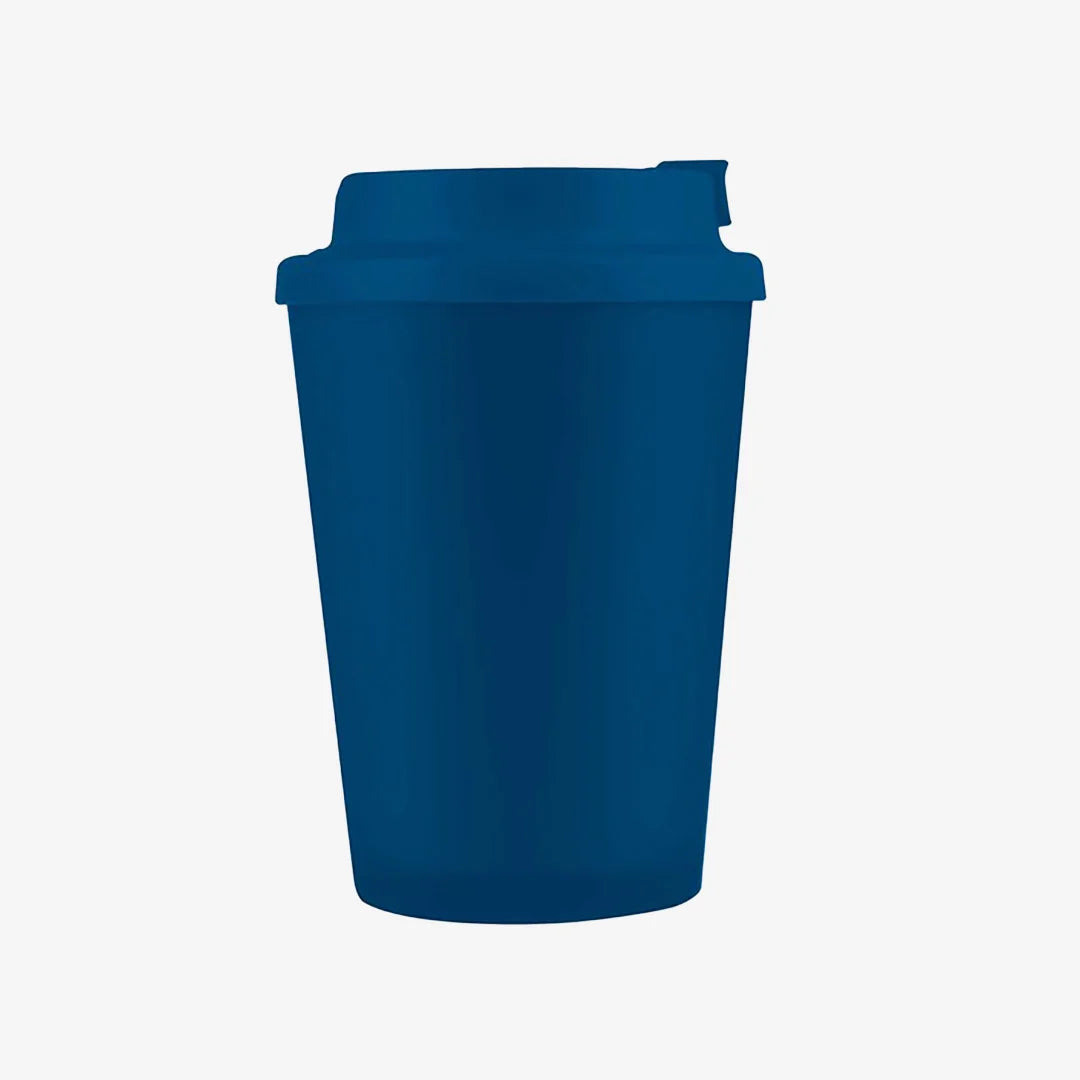
- Research Your Audience: Understand what types of sustainable products resonate most with your target audience. Are they avid coffee drinkers who would love a reusable cup, or do they value organic apparel?
- Choose the Right Partner: Partner with a merchandise provider, like Mercha, that shares your commitment to sustainability. We have already vetted suppliers for their ethical practices and eco-friendly materials, making your choice much simpler.
- Opt for Eco-Packaging: Do not let your sustainable product arrive in wasteful packaging. Choose minimal, recyclable, or compostable options to maintain consistency with your sustainable message.
- Educate and Communicate: Use your sustainable merchandise as a conversation starter. Educate recipients about the materials used, the certifications, and the positive impact of their product. This reinforces your brand's values.
- Measure and Report: Track the impact of your sustainable initiatives. This could involve feedback surveys, social media engagement, or even internal metrics on waste reduction. Reporting on your efforts attracts eco-conscious consumers, investors, and partners.
What Are the Key Differences in Cost, Durability, and Brand Perception?
When comparing traditional and sustainable merchandise, businesses often consider cost, durability, and brand perception. While traditional merchandise might seem cheaper upfront, a closer look reveals a different long-term value proposition.
Cost
- Traditional Merchandise: Often has a lower initial cost due to mass production and cheaper materials. However, its shorter lifespan can lead to higher replacement costs and a greater environmental footprint.
- Sustainable Merchandise: May have a slightly higher upfront cost due to premium, ethically sourced materials and fair labour practices. Yet, its durability leads to a lower cost-per-impression over time and delivers significant long-term brand benefits.
Durability
- Traditional Merchandise: Frequently designed for short-term use, contributing to a "throwaway" culture.
- Sustainable Merchandise: Designed for longevity and repeated use, using robust materials and quality craftsmanship. These are items people will treasure, not trash, ensuring your brand stays visible for longer.
Brand Perception
- Traditional Merchandise: Can be perceived as generic or wasteful, potentially harming your brand image among eco-conscious consumers.
- Sustainable Merchandise: Significantly improves brand perception. It positions your brand as responsible, forward-thinking, and aligned with modern values. This leads to increased customer loyalty and a competitive advantage, especially among consumers in Sydney and Adelaide who prioritise environmental and social concerns.
Frequently Asked Questions about Sustainable Merchandise
Is sustainable merchandise more expensive than traditional merch?
While some sustainable items may have a slightly higher upfront cost, they often provide a better return on investment.
- Their durability means they are kept and used for longer, leading to a lower cost-per-impression.
- Investing in sustainable merch aligns with consumer values, which can improve brand loyalty and perception, offering long-term business benefits that outweigh the initial cost.
How does sustainable merchandise impact brand perception among employees?
Sustainable merchandise has a significant positive impact on internal culture. When a company provides its team with high-quality, ethically sourced, and eco-friendly swag, it sends a powerful message that the organisation cares about its people and the planet. This can boost employee morale, increase pride in the workplace, and help attract and retain talent who share similar values.
How can a small business start incorporating sustainable merchandise?
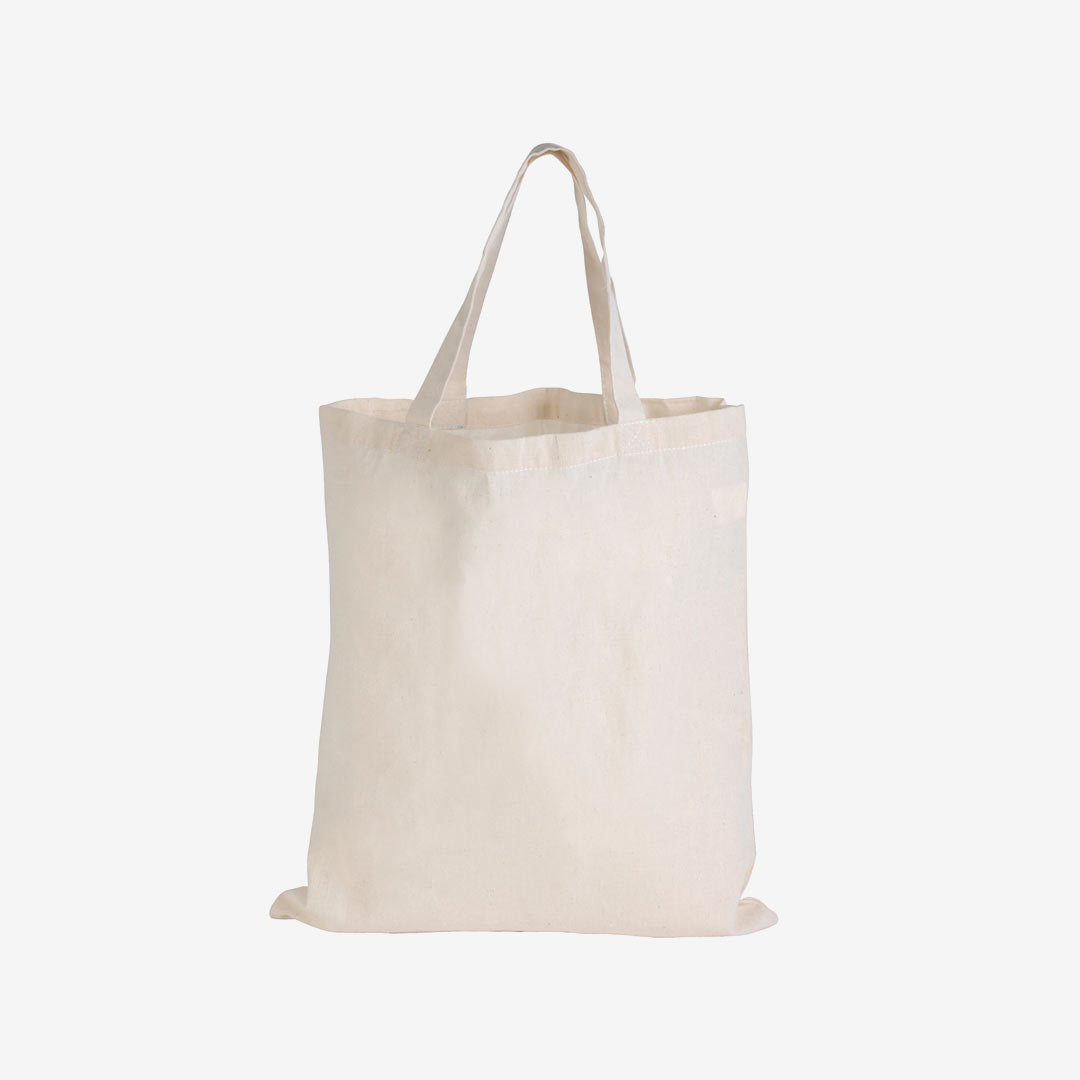
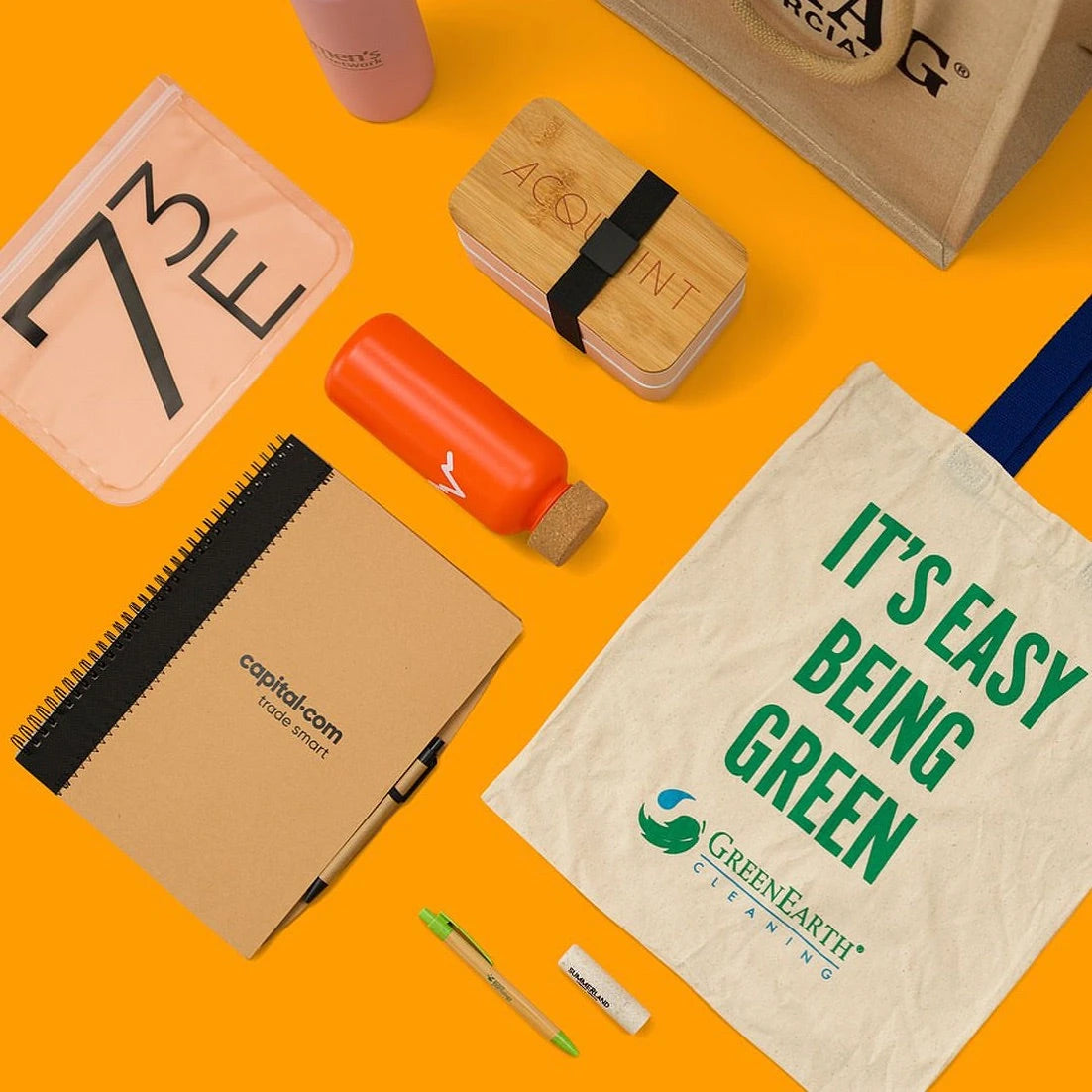
Starting small is key. Begin by replacing one or two common promotional items with a sustainable alternative, focusing on items that are practical and have a long lifespan. For example, switch from plastic pens to bamboo pens or offer reusable tote bags instead of plastic ones at your next event. Partnering with a supplier like Mercha, which offers a curated collection of eco-friendly products, can also make the process much simpler.
Eco-Friendly Merch, Big Brand Energy
Choosing sustainable merchandise is more than a trend; it's a strategic business decision that demonstrates your brand's commitment to quality, ethics, and the environment. By opting for products that are made to last and sourced with care, you create a positive and lasting impression on your clients, employees, and community. It’s about creating things people will treasure, not trash, and building a brand that stands for something more.
At Mercha, we're here to make merch better for you and the world. We deliver 99.9% ON time, and leading brands like UTS, Adobe, Yotpo, Wiise, Woolworths, and TikTok trust us for their quality merchandise.
Branded merch made easy for you. Shop the highest quality merch for your business with just a click of a button.
Eco-Friendly Merch, Big Brand Energy
Choosing sustainable merchandise is more than a trend; it's a strategic business decision that demonstrates your brand's commitment to quality, ethics, and the environment. By opting for products that are made to last and sourced with care, you create a positive and lasting impression on your clients, employees, and community. It’s about creating things people will treasure, not trash, and building a brand that stands for something more.
At Mercha, we're here to make merch better for you and the world. We deliver 99.9% ON time, and leading brands like UTS, Adobe, Yotpo, Wiise, Woolworths, and TikTok trust us for their quality merchandise.
Branded merch made easy for you. Shop the highest quality merch for your business with just a click of a button.